What Real Navigation and Preparedness Skills Can Teach Fallout Players?
One of the reasons Fallout remains so compelling is that it makes survival feel like a mental habit rather than a simple mechanic. Players do not just shoot, loot, and level up. They scan environments, make choices with limited resources, decide what to carry, evaluate threats, and learn how to move through uncertainty. Even in its most stylized moments, the series keeps returning to a basic idea: survival belongs to people who pay attention.
That is why real-world navigation and preparedness skills have so much to teach Fallout players. These skills do not turn the game into reality, and no one should confuse a digital wasteland with an actual emergency. Still, real preparedness sharpens the same instincts that make a player better in Fallout: observation, pacing, planning, risk assessment, and adaptability. The more you understand how people actually move through unfamiliar terrain and prepare for uncertainty, the more clearly you begin to see what survival in Fallout is really asking from you.
The first lesson is that navigation starts long before movement. In real life, good navigation is not only about finding the way once you are lost. It begins before the trip even starts. A prepared person studies the route, checks landmarks, understands likely hazards, notes water access, and thinks about alternatives if the original path fails. Fallout rewards the same mindset. Players who rush directly toward a marker often walk into avoidable danger, waste ammunition, or burn through supplies too early. The stronger player is usually the one who reads the environment first, notices elevation, cover, enemy placement, chokepoints, and escape routes, and only then commits to a direction.
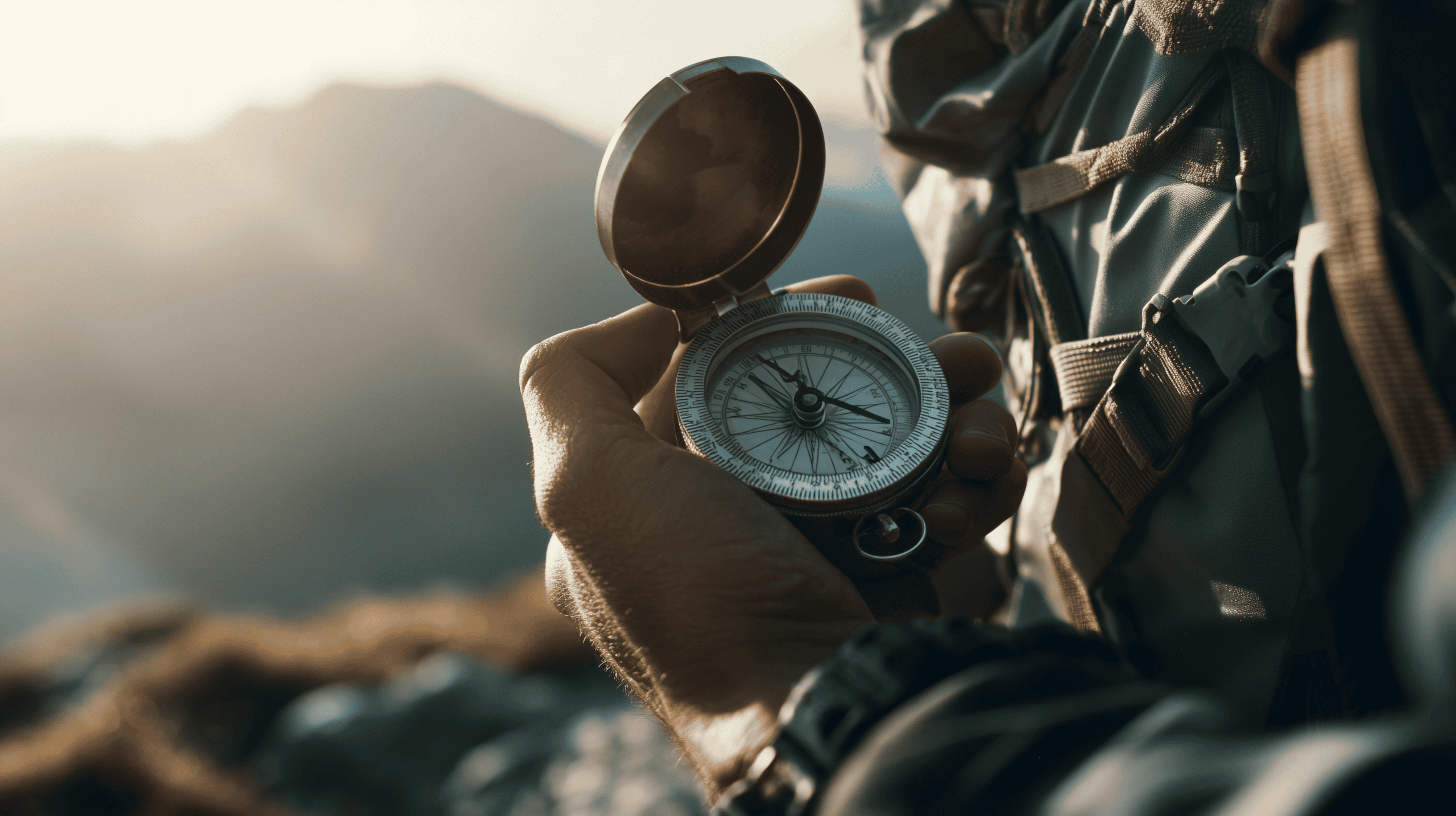
In practical navigation, landmarks matter more than constant dependence on a single tool. A person moving through unfamiliar ground learns to read roads, ridgelines, rivers, towers, broken structures, intersections, and changes in terrain. Fallout players can benefit from a similar habit. The games are full of visual cues that tell you where you are and what kind of threat or opportunity may be nearby. A ruined overpass, a cluster of industrial pipes, a radio tower, an abandoned diner, or a bend in the road can become part of an internal map. Players who memorize environments through visual structure tend to move more confidently than those who rely only on quest markers. They also become less vulnerable when the game pushes them into unexpected encounters.
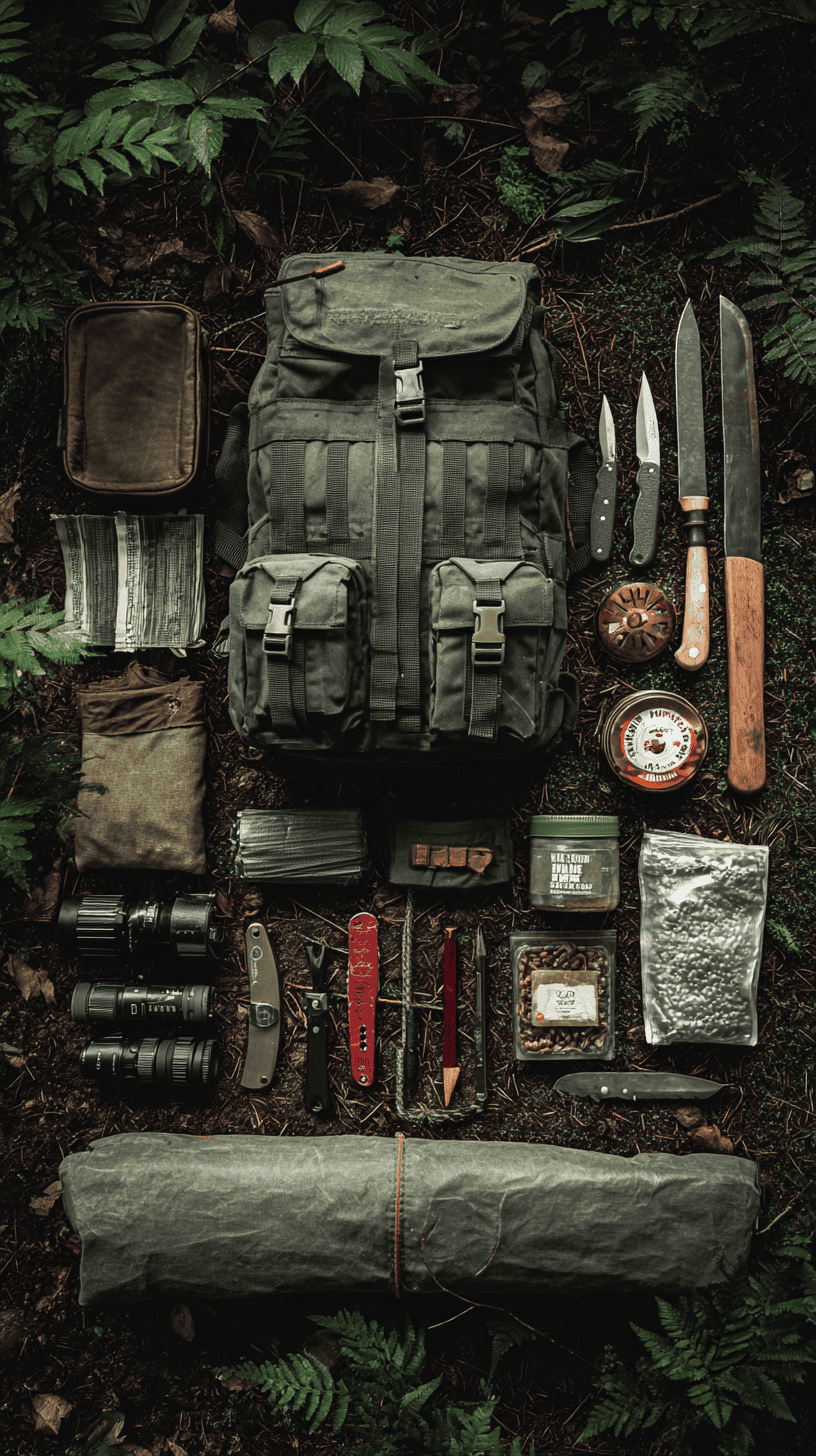
Preparedness also teaches the value of carrying less, but carrying better. In real survival planning, people learn quickly that the best gear is not the largest pile of gear. It is the right set of tools chosen for likely needs. Weight matters. Accessibility matters. Redundancy matters only when it solves a real problem. Fallout constantly confronts players with this logic through inventory management. Newer players often carry too much junk, too many weapons, too many ammo types, or too many items that sound useful but rarely prove essential. Real preparedness encourages another way of thinking. Pack for function. Keep core tools available. Understand what each item is for. If it does not solve a foreseeable problem, it may be costing more than it helps.
This leads to a deeper lesson: survival is often about energy, not heroics. In reality, people get into trouble not only because they lack skill, but because they move too fast, make emotional decisions, or spend too much energy too early. They underestimate distance, overestimate daylight, ignore fatigue, or fail to respect how quickly conditions can change. Fallout players do this all the time. They sprint into unknown zones, start fights without an exit plan, consume healing items carelessly, or treat every encounter as a test of dominance. Real preparedness teaches a calmer discipline. Not every fight is worth taking. Not every building needs to be cleared. Sometimes the smartest move is to conserve strength, withdraw, circle around, or return later with a better plan.
Another useful real-world lesson is that situational awareness is built from small details. People with strong outdoor awareness notice tracks, weather shifts, damaged ground, strange silence, distant sounds, smoke, movement patterns, and signs that others have passed through an area recently. Fallout runs on the same kind of reading. Good players notice subtle environmental warnings before an attack begins. They hear a sound cue, spot disturbed objects, see an exposed angle, or sense that a location is designed as an ambush zone. The game often rewards players who slow down enough to read atmosphere as information. Real preparedness trains exactly that habit: learning that the environment is always communicating, even when nothing is speaking directly to you.
Real navigation also teaches humility, which may be one of the most underrated survival skills in any game. In outdoor travel, overconfidence causes mistakes. People assume they can improvise without preparation, rely on memory too much, or continue forward when they should stop and reassess. Fallout players know a digital version of this trap. It appears when confidence from earlier success leads to bad decision-making in unfamiliar territory. Real preparedness teaches that competence is not the same as invulnerability. A capable person checks position, reassesses equipment, and updates plans. A capable player should do the same. Before entering a hostile area, it helps to ask simple questions: Do I have an exit route? Do I have enough healing? Am I carrying the right weapons for this environment? What happens if the first plan fails?
One of the strongest parallels between preparedness and Fallout lies in decision-making under uncertainty. Real emergencies are rarely clean or dramatic in the way fiction suggests. They are often confusing, inconvenient, tiring, and shaped by incomplete information. That makes preparation less about perfect prediction and more about building useful flexibility. Fallout mirrors this surprisingly well. The best players are not the ones who always follow an exact plan without deviation. They are the ones who adapt when a route is blocked, when a stronger enemy appears, when resources run low, or when an objective becomes riskier than expected. Real preparedness teaches the same principle: plans matter, but adaptation matters more.
There is also a moral lesson hidden inside real preparedness that Fallout players can appreciate. Survival is not just about tools and tactics. It is about judgment. In real life, preparation often includes thinking ahead for other people, not only for yourself. It means communicating plans, sharing resources wisely, understanding group needs, and avoiding reckless choices that put others at risk. Fallout often frames survival in individual terms, but many of its best moments involve settlements, factions, companions, and communities trying to endure together. Players who learn from real preparedness may start to see survival not just as self-protection, but as a broader form of responsibility.
What real navigation and preparedness ultimately teach Fallout players is that survival is less glamorous and more thoughtful than it first appears. It is about reading the world carefully, preparing with intention, respecting limits, and making decisions that preserve options instead of destroying them. The wasteland may be fictional, but the mindset it rewards is recognizable. Observation beats panic. Planning beats impulse. Adaptability beats stubbornness. And whether you are crossing a real trail or a ruined digital highway, the people who do best are usually the ones who notice more, waste less, and stay ready for change.
Related Posts