Building a Basic Forest Survival Kit in the Aesthetic of Fallout
There is a reason the Fallout aesthetic continues to resonate far beyond the games themselves. It combines rugged practicality, visible wear, salvaged utility, and a strange kind of beauty built from survival under pressure. Rusted metal, canvas pouches, patched jackets, old-world tools, and improvised repairs all suggest a world where nothing is wasted and everything must earn its place. For people drawn to outdoor gear, this aesthetic has a natural appeal. A well-built forest survival kit can capture some of that Fallout spirit without becoming theatrical, unsafe, or overloaded with gimmicks.
The key is to remember that real survival gear must work first and look atmospheric second. A forest kit inspired by Fallout should not be a costume. It should be a practical, compact set of tools that supports basic preparedness while reflecting the visual language of post-apocalyptic resourcefulness. The best version of this idea is not about making yourself look like a game character. It is about assembling a kit that feels rugged, modular, repairable, and field-ready.
Choosing the Right Bag and Overall Style
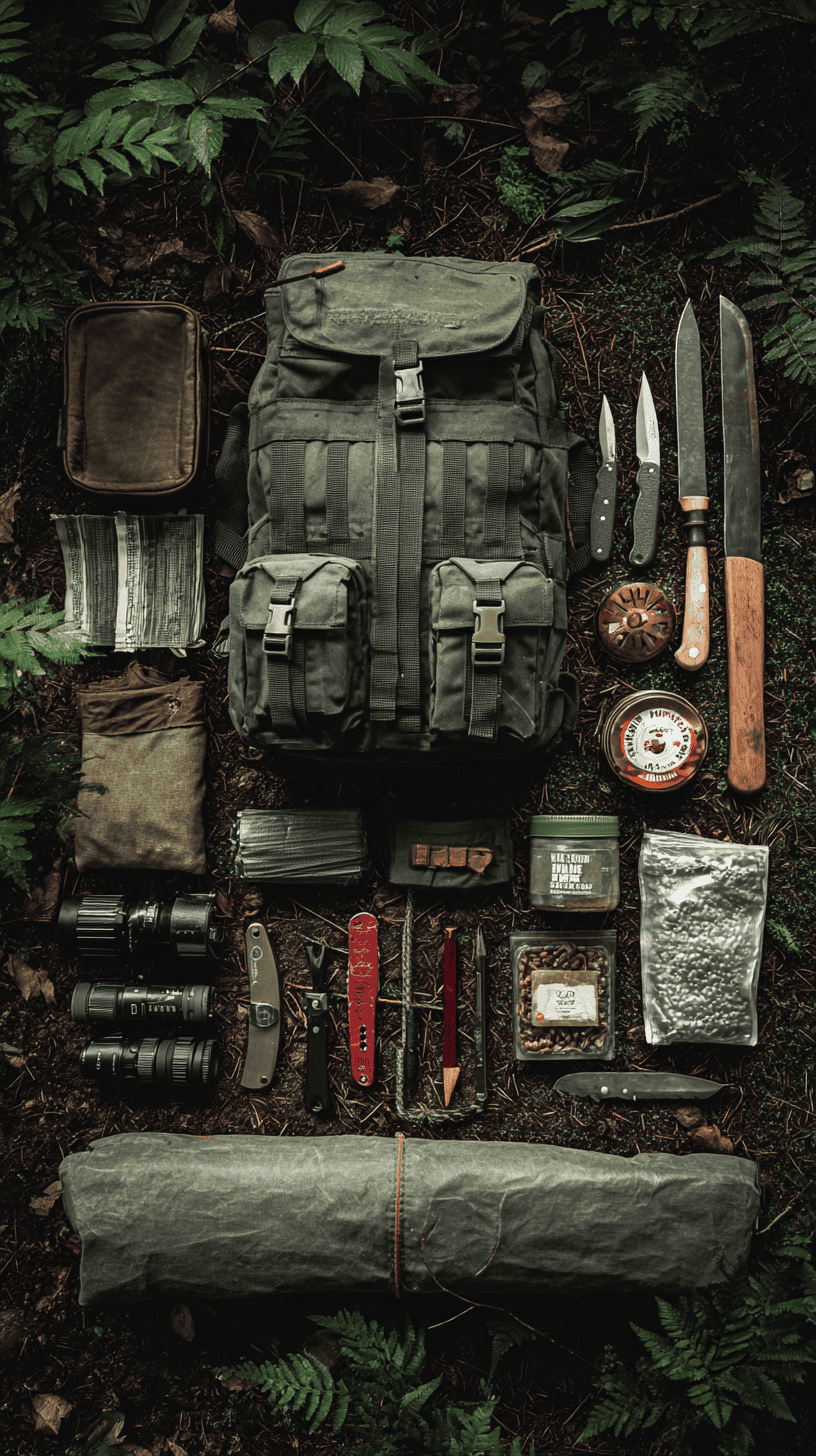
A good starting point is the container itself. In a Fallout-inspired setup, the bag should look durable and a little weathered, but it also needs to be comfortable and functional. A small canvas daypack, waxed satchel, olive drab shoulder bag, or compact military-style pack can all work well. Neutral colors such as faded green, brown, gray, tan, or muted black fit the tone better than bright synthetic colors. That said, real safety still matters. If you are actually taking the kit into the forest, it is wise to include at least one visible strip of orange fabric, a signal band, or some other marker that can help in an emergency. Fallout may celebrate dusty, subdued tones, but the real outdoors sometimes demands visibility.
Water and Fire Come First
Inside the bag, the core of the kit should focus on the classic survival priorities: water, fire, shelter, navigation, light, cutting tools, first aid, and food support. Water always comes first. A sturdy metal bottle is one of the best choices because it looks right for the aesthetic and serves multiple purposes. It can carry water, be heated near a fire in some cases if uncoated and suitable, and generally feels more in line with the worn-industrial survival look than a brightly colored plastic bottle. Pair it with a compact water filter or purification tablets. This is where practicality quietly beats aesthetics. A weathered bottle may fit the mood, but clean water is what makes the kit credible.
Fire-making tools are another area where style and function can work together. A ferro rod has the rough, low-tech feel that suits a Fallout-inspired kit, and it works well as a backup tool. But it should not be the only option. Add a reliable lighter in a waterproof bag and a few pieces of dry tinder, such as cotton, tinder tabs, or waxed material. In real preparedness, redundancy matters when it solves a critical problem. Fire is one of those problems. The Fallout look comes naturally from small metal tins, worn pouches, and handmade-looking wraps, but what matters is that the fire kit stays dry and easy to reach.
Shelter, Tools, and Navigation
For shelter, a basic forest kit does not need to carry a full camp setup. A compact emergency bivvy, lightweight tarp, or thermal blanket can go a long way. This is one of the easiest places to overdo the theme and start packing bulky gear that looks dramatic but serves little purpose. Fallout aesthetics can tempt people toward heavy canvas rolls and oversized utility bundles, yet for a real forest kit, compact shelter is often smarter. The most convincing post-apocalyptic style is not excess. It is efficient use of limited space.
A cutting tool is essential, but here restraint matters. Many people imagine survival through oversized knives and aggressive tools, largely because games and films exaggerate them. In practice, a modest fixed-blade knife or reliable folding knife is more useful for a basic forest kit. It should be comfortable, easy to maintain, and suited to small camp tasks rather than fantasy combat. A compact multitool is also worth adding because it reflects the Fallout idea of repair and improvisation. Pliers, screwdrivers, scissors, and small blades support the mindset of adapting to problems rather than overpowering them.
Navigation is another part of the kit where real skill matters more than image. A Fallout-inspired survival kit should absolutely include a paper map of the area if possible and a simple compass. These tools fit the aesthetic perfectly because they already belong to an older, more tactile way of moving through uncertain terrain. You can also include a phone or GPS device, of course, but the emotional core of this kind of kit is learning not to depend on screens alone. A map in a plastic sleeve, a pencil stub, and a compass create exactly the kind of analog survival atmosphere that Fallout fans appreciate, but they also encourage a more thoughtful relationship with the land.
Light, First Aid, and Food Support
Light sources should be practical and compact. A small flashlight or headlamp is far more useful than a decorative lantern-style object chosen only for mood. Still, you can lean into the aesthetic through material and design choices. Matte finishes, metal casings, and simple shapes feel closer to the Fallout visual world than glossy plastic gear with bright branding. Extra batteries or a rechargeable option should be part of the plan. Light is one of those tools you do not think about until you badly need it.
First aid is where the fantasy has to stop completely. A real first-aid pouch is non-negotiable. Even a minimalist kit should include bandages, gauze, antiseptic wipes, blister care, any personal medication, and perhaps a compression wrap or tape depending on use. You can store these items in a pouch that matches the overall look of the kit, but the contents should stay organized, clean, and clearly labeled. A believable survival aesthetic is not created by making medical gear look rough. It is created by carrying it in a smart, field-ready way.
Food support in a short forest survival kit should stay minimal. High-calorie bars, trail mix, or compact ration-style snacks make more sense than elaborate themed packaging. The Fallout influence works better through presentation than novelty. A tin cup, a compact spoon, or a small cloth wrap around your food pouch can suggest scavenged utility without compromising function.
Repair, Adaptation, and the Fallout Mindset
The most successful Fallout-inspired forest kit also includes repair-minded details. A bit of duct tape wrapped around a card, some cordage, a few zip ties, and a sewing needle with thread all fit the theme beautifully because they reflect a world where maintenance is part of survival. This is one of the most authentic links between Fallout and real preparedness. Both reward people who think in terms of fixing, patching, adapting, and extending the life of what they carry.
In the end, building a basic forest survival kit in the aesthetic of Fallout is less about cosplay and more about philosophy. The appeal lies in rugged simplicity, modular tools, worn but dependable materials, and the quiet confidence of being ready. If the kit is compact, useful, repairable, and thoughtfully assembled, the Fallout atmosphere will emerge on its own. The best gear for this style is not flashy. It looks like it has a story, and more importantly, it looks like it can still do the job.
Related Posts